Buy blogsmap.eu ?
We are moving the project
blogsmap.eu .
Are you interested in purchasing the domain
blogsmap.eu ?
domain@kv-gmbh.de · 0541-91531010
Buy blogsmap.eu ?
What is the difference between osmosis with cell wall and osmosis without cell wall? Please explain simply.
Osmosis with a cell wall occurs in plant cells, where the cell wall provides structural support and prevents the cell from bursting when water enters through osmosis. In contrast, osmosis without a cell wall occurs in animal cells, which do not have a cell wall and rely on the cell membrane to maintain their shape and prevent bursting. In both cases, osmosis is the movement of water across a semi-permeable membrane from an area of lower solute concentration to an area of higher solute concentration. **
What is the significance of the cell wall?
The cell wall is a rigid structure that surrounds the cell membrane of plant cells, fungi, and some bacteria. It provides structural support and protection to the cell, helping maintain its shape and prevent it from bursting under osmotic pressure. The cell wall also allows for the exchange of materials between the cell and its environment. Additionally, the cell wall plays a crucial role in plant growth and development, as well as defense against pathogens. **

Similar search terms for Cell wall
Top-Angebote
Products related to Cell wall:
-
Scribe UK No-Drama Discipline: the bestselling parenting guide to nurturing your child's developing mind (Mindful Parenting)The pioneering experts behind the bestselling The Whole-Brain Child now explore the ultimate child-raising challenge: discipline. A breakfast bowl gets thrown across the kitchen, splattering milk and cereal all over the wall. Or one of your kids threatens a younger sibling. Or you get a call from the headteacher’s office for the third time this month. What do you do? No-Drama Discipline provides an effective, compassionate road map for dealing with such tantrums, tensions, and tears – without causing a scene. Based on recent discoveries about the brain that give us deep insights into the children we care for, what they need, and how to discipline them in ways that foster optimal development, this book offers a ‘relational’ approach that builds on children’s innate desire to please their parents and get along well with others. Complete with candid stories and playful illustrations that bring the authors’ suggestions to life, No-Drama Discipline presents clear messages in a practical and inviting format. Using these techniques, you can discipline your children in a way that’s high on relationship-building, high on respect, and low on drama and conflict. As a result, your life as a parent will be easier, and your parenting will become more effective. And more importantly, you’ll create connections in your children’s brains to build emotional and social skills that will serve them now and throughout their entire life – all while strengthening your relationship with them.5,99 £*Shipping: 2,99 £Secure redirect to the provider



-
Why don't animal cells have a cell wall?
Animal cells do not have a cell wall because they do not need the same level of structural support as plant cells. The primary function of the cell wall in plant cells is to provide rigidity and support for the plant's structure, as well as protection from external forces. Animal cells have a flexible cell membrane that allows for movement and shape changes, which is not possible with a rigid cell wall. Additionally, animal cells rely on other structures such as the cytoskeleton to maintain their shape and provide support. **
-
What are bacteria with a double cell wall called?
Bacteria with a double cell wall are called Gram-positive bacteria. These bacteria have a thick layer of peptidoglycan in their cell wall, which retains the crystal violet stain during the Gram staining process. This thick layer of peptidoglycan gives them their characteristic purple color when viewed under a microscope. Examples of Gram-positive bacteria include Staphylococcus and Streptococcus. **
-
Why do animal cells not need a cell wall?
Animal cells do not need a cell wall because they have a flexible cell membrane that provides support and structure to the cell. The cell membrane allows for movement and flexibility, which is important for the various functions of animal cells such as cell division and movement. Additionally, animal cells rely on other structures such as the cytoskeleton to maintain their shape and provide support, making a cell wall unnecessary for their survival. **
-
Which organelle in an animal cell is equivalent to the cell wall in plant cells?
The organelle in an animal cell that is equivalent to the cell wall in plant cells is the extracellular matrix (ECM). The ECM is a network of proteins and carbohydrates that provides structural support and helps regulate cell behavior. It surrounds animal cells and provides mechanical support, as well as facilitating cell-cell communication and adhesion. While the ECM and the cell wall serve similar functions in providing support and structure, they are composed of different materials and have different structures. **

'Cell phone or fitness tracker?'
It ultimately depends on your personal fitness goals and preferences. A cell phone can be used to track fitness activities through various apps, but a fitness tracker is specifically designed to monitor and track physical activity, heart rate, and sleep patterns. If you are looking for a dedicated device to help you stay on top of your fitness goals, a fitness tracker may be the better option. However, if you prefer the convenience of having all your technology in one device, using a cell phone with fitness tracking apps may be more suitable for you. **
How can animal cells be stable without a cell wall?
Animal cells can be stable without a cell wall because they have a flexible and dynamic cytoskeleton made up of proteins like actin and microtubules, which provide structural support and help maintain cell shape. Additionally, animal cells have an extracellular matrix that provides structural support and helps anchor cells in tissues. The plasma membrane of animal cells also contains specialized proteins and lipids that help maintain cell stability and regulate the movement of molecules in and out of the cell. Overall, the combination of the cytoskeleton, extracellular matrix, and plasma membrane allows animal cells to maintain stability and structural integrity without a cell wall. **
Top-Angebote
Products related to Cell wall:
-
Transworld Publishers Ltd Books about parenting, The Unmumsy Mum A-Z - An Inexpert Guide to Parenting by Sarah Turner (Parenting Guide Book)From bestselling author and massively popular blogger The Unmumsy Mum comes this hilarious, irreverent and searingly candid compendium of parenting experiences. With entries including D is for Desperation, F is for Fish Fingers, S is for Supermum and V is for Vagina, it is safe to say this is not your average A-Z. This book wont tell you what sort of parent you should or should not be; instead, it offers a refreshingly honest account of what being a mum to three young children is really like and the surprising lessons that have been learned along the way. If you feel as though you are not measuring up or are struggling to cherish every moment, Sarah tales from the thick of it will reassure and resonate with you. Above all, her commitment to telling the truth, the whole truth and nothing but the truth will make you laugh out loud and remind you that you are, in fact, doing a great job. What readers are saying: For all parents out there, this is a must read. Absolutely hilarious and so true to life. 100 recommend. Makes me smile and actually keeps me sane as it is so easy to relate to. It made me laugh Sleeping through, it made me cry Xmas and it made me feel better about the times I think I am getting it wrong.1,99 £*Shipping: 1,99 £Secure redirect to the provider
-
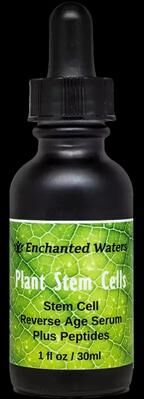
DynamicDeals Stem Cell Serum Anti Aging Real Stem Cell Cultures Matrixyl 3000 Hyaluronic Acid Stem Cell Serum Anti Aging Real Stem Cell Cultures Matrixyl 3000 Hyaluronic AcidFeatures:Enriched With REAL Plant Stem Cell CulturesFights Environmental Aggressors, Boosts CollagenRepairs Cell Damage & Enhances Skins Own DefensePeptide Rich with Matrixyl 3000Description:Weve taken these fantastic antiaging skincare geniuses and...40,97 $*Shipping: 0,00 $Secure redirect to the provider
-
Scribe UK No-Drama Discipline: the bestselling parenting guide to nurturing your child's developing mind (Mindful Parenting)The pioneering experts behind the bestselling The Whole-Brain Child now explore the ultimate child-raising challenge: discipline. A breakfast bowl gets thrown across the kitchen, splattering milk and cereal all over the wall. Or one of your kids threatens a younger sibling. Or you get a call from the headteacher’s office for the third time this month. What do you do? No-Drama Discipline provides an effective, compassionate road map for dealing with such tantrums, tensions, and tears – without causing a scene. Based on recent discoveries about the brain that give us deep insights into the children we care for, what they need, and how to discipline them in ways that foster optimal development, this book offers a ‘relational’ approach that builds on children’s innate desire to please their parents and get along well with others. Complete with candid stories and playful illustrations that bring the authors’ suggestions to life, No-Drama Discipline presents clear messages in a practical and inviting format. Using these techniques, you can discipline your children in a way that’s high on relationship-building, high on respect, and low on drama and conflict. As a result, your life as a parent will be easier, and your parenting will become more effective. And more importantly, you’ll create connections in your children’s brains to build emotional and social skills that will serve them now and throughout their entire life – all while strengthening your relationship with them.5,99 £*Shipping: 2,99 £Secure redirect to the provider
-
What is the difference between osmosis with cell wall and osmosis without cell wall? Please explain simply.
Osmosis with a cell wall occurs in plant cells, where the cell wall provides structural support and prevents the cell from bursting when water enters through osmosis. In contrast, osmosis without a cell wall occurs in animal cells, which do not have a cell wall and rely on the cell membrane to maintain their shape and prevent bursting. In both cases, osmosis is the movement of water across a semi-permeable membrane from an area of lower solute concentration to an area of higher solute concentration. **
-
What is the significance of the cell wall?
The cell wall is a rigid structure that surrounds the cell membrane of plant cells, fungi, and some bacteria. It provides structural support and protection to the cell, helping maintain its shape and prevent it from bursting under osmotic pressure. The cell wall also allows for the exchange of materials between the cell and its environment. Additionally, the cell wall plays a crucial role in plant growth and development, as well as defense against pathogens. **
-
Why don't animal cells have a cell wall?
Animal cells do not have a cell wall because they do not need the same level of structural support as plant cells. The primary function of the cell wall in plant cells is to provide rigidity and support for the plant's structure, as well as protection from external forces. Animal cells have a flexible cell membrane that allows for movement and shape changes, which is not possible with a rigid cell wall. Additionally, animal cells rely on other structures such as the cytoskeleton to maintain their shape and provide support. **
-
What are bacteria with a double cell wall called?
Bacteria with a double cell wall are called Gram-positive bacteria. These bacteria have a thick layer of peptidoglycan in their cell wall, which retains the crystal violet stain during the Gram staining process. This thick layer of peptidoglycan gives them their characteristic purple color when viewed under a microscope. Examples of Gram-positive bacteria include Staphylococcus and Streptococcus. **
Similar search terms for Cell wall
-
Jessica Kingsley Publishers The Quick Guide to Therapeutic Parenting: A Visual Introduction (Therapeutic Parenting Books) by Sarah NaishTherapeutic parenting is not your usual parenting style. It's a special, specific way to raise kids who have experienced trauma in their past, and requires a lot of commitment and determination - this is about far more than love and care.But where do you start?This book is the ideal first step for anyone who wants to understand how therapeutic parenting works. It offers simple summaries of the key ideas behind it, fully illustrated throughout with informative cartoons and graphics. Over 40 different issues are covered, from dysregulation and fear, to setting boundaries and parenting in the midst of trauma.The perfect introduction for new therapeutic parents, family members, teachers or other adults who need to help support you and your child, this Quick Guide will also be a source of inspiration for more experienced parents.13,20 £*Shipping: 2,99 £Secure redirect to the provider
-
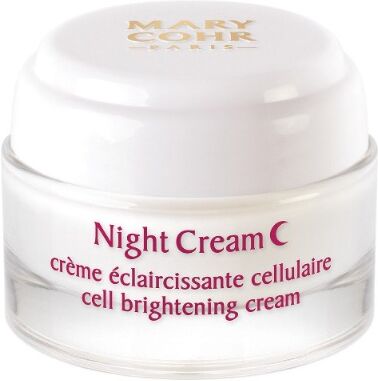
Mary Cohr Cell Brightening Cream 50mlThe Mary Cohr Cell Brightening Cream gives a soft, matt finish, combines two cellular actions on pigmentation: it visibly unifies the complexion and it lessens the appearance of pigmentation spots. Key benefits include: Brightens and evens the complexion Dark spots are reduced Vitamin C visibly brightens the complexion and refines the skin’s texture Melanoxyl reduces-UV-induced melanin production Suitable for Pigmented Skin Types. Ingredients water (aqua), glycerin, butylene glycol, cetearyl isononanoate, arachidyl alcohol, caprylic/capric/succinic triglyceride, dimeticone, hydrogenated polyisobutene, pentylene glycol, behenyl alcohol, sodium ascorbyl phosphate, cetyl alcohol, cyclopentasiloxane, ethylhexylglycerin, arachidyl glucoside, cyclohexasiloxane, hydroxyethyl acrylate/sodium acyloyldimethyl taurate copolymer, fragrance (parfum), acrylates/c 10-30 alkyl acrylate crosspolymer, xanthan gum, triethanolamine, bht, disodium edta, glyceryl acrylate/acrlyic acid copolymer, propylene glycol, brassica napus extract, polysorbate 60, sorbitan isostearae, linalool, geraniol, citronellol, ascorbyl palmitate, alpha-isomethyl ionone, citric acid, glyceryl oleate, glyceryl stearate.48,40 £*Shipping: 0,00 £Secure redirect to the provider
-
Why do animal cells not need a cell wall?
Animal cells do not need a cell wall because they have a flexible cell membrane that provides support and structure to the cell. The cell membrane allows for movement and flexibility, which is important for the various functions of animal cells such as cell division and movement. Additionally, animal cells rely on other structures such as the cytoskeleton to maintain their shape and provide support, making a cell wall unnecessary for their survival. **
-
Which organelle in an animal cell is equivalent to the cell wall in plant cells?
The organelle in an animal cell that is equivalent to the cell wall in plant cells is the extracellular matrix (ECM). The ECM is a network of proteins and carbohydrates that provides structural support and helps regulate cell behavior. It surrounds animal cells and provides mechanical support, as well as facilitating cell-cell communication and adhesion. While the ECM and the cell wall serve similar functions in providing support and structure, they are composed of different materials and have different structures. **
-
'Cell phone or fitness tracker?'
It ultimately depends on your personal fitness goals and preferences. A cell phone can be used to track fitness activities through various apps, but a fitness tracker is specifically designed to monitor and track physical activity, heart rate, and sleep patterns. If you are looking for a dedicated device to help you stay on top of your fitness goals, a fitness tracker may be the better option. However, if you prefer the convenience of having all your technology in one device, using a cell phone with fitness tracking apps may be more suitable for you. **
-
How can animal cells be stable without a cell wall?
Animal cells can be stable without a cell wall because they have a flexible and dynamic cytoskeleton made up of proteins like actin and microtubules, which provide structural support and help maintain cell shape. Additionally, animal cells have an extracellular matrix that provides structural support and helps anchor cells in tissues. The plasma membrane of animal cells also contains specialized proteins and lipids that help maintain cell stability and regulate the movement of molecules in and out of the cell. Overall, the combination of the cytoskeleton, extracellular matrix, and plasma membrane allows animal cells to maintain stability and structural integrity without a cell wall. **
* All prices are inclusive of VAT and, if applicable, plus shipping costs. The offer information is based on the details provided by the respective shop and is updated through automated processes. Real-time updates do not occur, so deviations can occur in individual cases. ** Note: Parts of this content were created by AI.